Ultimate Guide to Finding High-End Vintage Clothing: Premier Boutiques and Online Resources
Finding the finest classic attire requires a planned method. Local boutiques often showcase carefully chosen collections from different time periods, providing a distinctive retail journey. Additionally, online platforms provide access to a vast array of vintage items. Each avenue has its benefits and drawbacks. Comprehending these choices can enhance the quest for unique items. What elements should one consider when exploring these diverse sources?
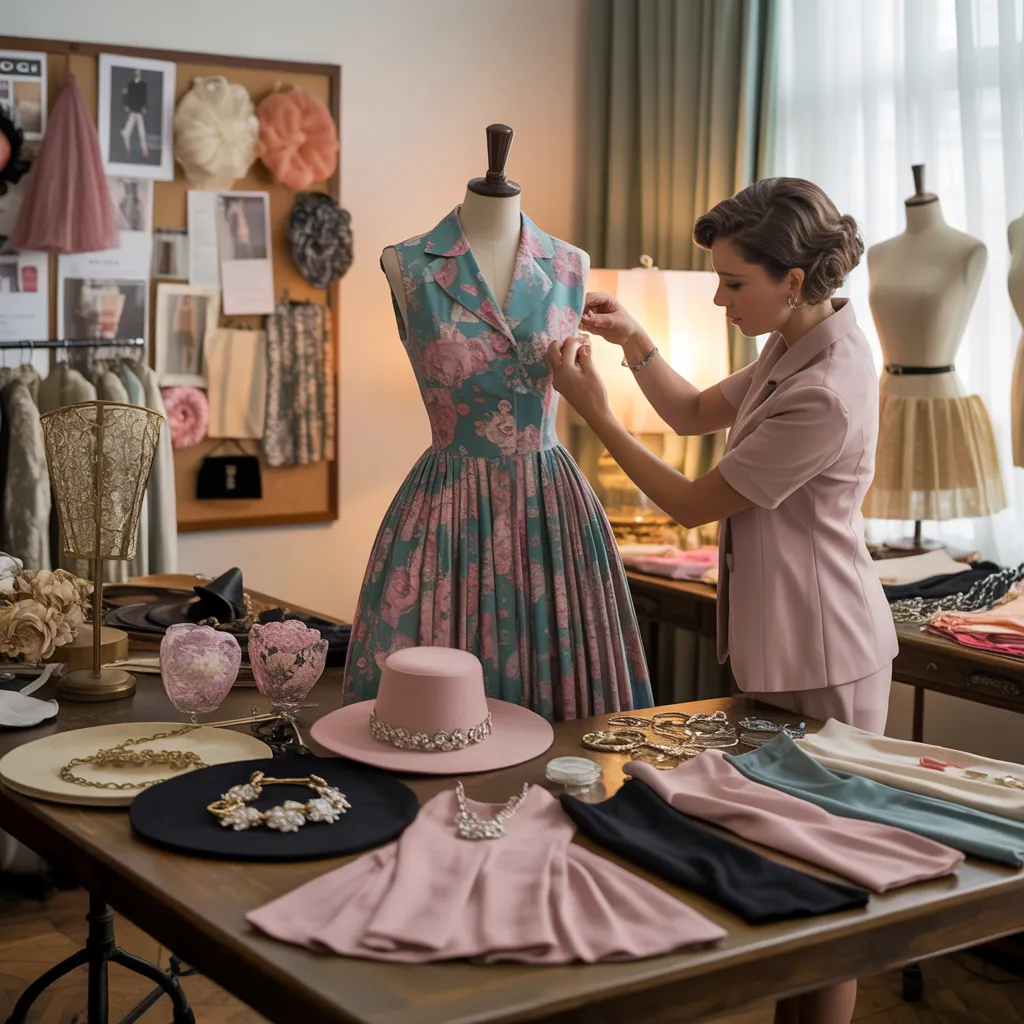
Get to Know Antique Dimensions and Tags
How does one navigate the often unclear world of vintage sizes and labels? Understanding vintage sizes is vital for anyone interested in vintage clothing. Unlike modern sizing, which has become standardised, vintage sizes can diverge significantly based on the age, brand, and even the country of origin. For instance, a size 8 from the 1970s may differ greatly from a contemporary size 8.
Labels complete an significant role; they regularly indicate the decade and can illuminate assembly methods and material decisions. Acquaintance with conventional brands helps confirm authenticity and quality, as certain manufacturers are esteemed for their craftsmanship.
Measuring garments precisely is crucial, as depending only on the size tag can lead to disappointment. Buyers are advised to compare measurements against their own clothing. By understanding these nuances, vintage fans can make well-informed choices, improving their shopping experience.
Inspect Vintage Clothing Quality
Examining the quality of vintage clothing is essential for making informed purchases. Key elements to consider include inspecting fabric composition, spotting for any damage, and evaluating the excellence of stitching. Each of these elements plays a key role in determining the persistence and value of vintage garments.
Examine Fabric Composition
Inspecting the textile makeup of vintage apparel is key for judging its grade and durability. Fibers such as cotton, wool, silk, and linen usually signal enhanced durability and comfort over synthetic options. Apparel made from these fibers usually ages well, preserving its structure and look as time passes. Additionally, understanding the fabric blend can provide insights into the garment's intended use and care requirements. For instance, a cotton-linen blend may offer breathability, while a wool-acrylic mix could enhance warmth. During evaluation, it is essential to look for labels or tags providing fabric details. This knowledge empowers shoppers to make informed choices, ensuring their vintage finds are not just stylish but also lasting investments.
Review for issues
Inspecting classic clothing for defects is crucial in determining its general quality. Consumers ought to closely check garments for damage, including holes, stains, or fading. Attention should be given to areas susceptible to flaws, such as seams, hems, and underarm sections, where fabric may weaken over time. Additionally, checking for missing buttons or zippers can indicate a garment's usability. Evaluating the lining along with embellishments matters because they impact both the garment's function and aesthetic. Spotting potential problems in advance helps buyers make knowledgeable choices to ensure their vintage items satisfy both style criteria and durability for regular wear.
Examine Seam Condition
Though it might be quite simple to overlook, the quality of stitching in vintage clothing plays an essential role in determining the garment's durability and overall attractiveness. A close look at the stitching can uncover the craftsmanship behind the piece. Well-executed seams, tight and even stitches, indicate strength and attention to detail. On the other hand, loose threads or uneven stitching may indicate wear or poor construction, which could compromise the garment's integrity. Checking areas prone to stress, like armholes and hems, is especially important. Furthermore, vintage items often showcase unique stitching techniques that reflect their era, adding character. In the end, evaluating stitching quality not only informs buyers about the condition of a garment but also boosts their appreciation for vintage fashion’s artistry.
Locate Vintage Fashion at Local Outlets
What locations allow one to discover unique vintage clothing treasures? Independent boutiques act as lesser-known treasures for vintage enthusiasts. These shops curate distinctive selections, deliberately curating items that mirror diverse time periods and fashion movements. Wandering through the aisles, patrons can come across everything from classic 1950s dresses to 1980s statement jackets, each item telling its own story.
Many local boutiques emphasize sustainability, find out more obtaining their inventory from estate sales, thrift stores, and donations. This not only promotes eco-friendly practices but also ensures that each piece of clothing is one-of-a-kind. Additionally, shop proprietors are typically devoted to fashion history and can offer valuable insights, enhancing the shopping experience.
Supporting local companies also encourages community links, allowing customers to interact with shop owners and fellow vintage aficionados. This personal touch often turns the shopping experience into an excursion, making each visit to a local boutique a delightful survey of fashion's past.
Leading Online Retro Outlets
In the sphere of internet commerce, heritage collectors have at their disposal a rich variety of alternatives. Best online marketplaces and expertly curated vintage emporiums offer exceptional assortments that address diverse tastes and artistic directions. This section will highlight some of the leading marketplaces for uncovering antique keepsakes.
Top Online Trading Platforms
The appeal of vintage clothing has led to a increase in online marketplaces dedicated to unique, timeless pieces. Platforms like Etsy and eBay remain favored options, offering a vast array of vintage items from various eras. Depop, with its user-friendly interface and social media integration, serves a younger demographic seeking curated styles. copyright allows users to sell their vintage finds while connecting with fashion enthusiasts. Additionally, ThredUp focuses on secondhand clothing, including vintage selections, promoting sustainability. These marketplaces not only provide access to distinctive fashion but also build a community of like-minded individuals devoted to vintage treasures. By browsing these platforms, shoppers can find rare pieces that reflect their personal style and history.
Carefully Chosen Vintage Boutiques
For admirers who value the beauty of thoughtfully curated vintage boutiques, the online environment supplies a extensive selection of exceptional finds. These focused retailers concentrate on meticulously chosen items, protecting integrity and authenticity. Outlets like Vintage Vixen and ModCloth meet a wide range of preferences, from 1920s flapper dresses to 1980s pop culture pieces. All boutiques regularly feature a unique character, helping patrons to seek garments that speak to their personal style. Plus, channels like Etsy and Depop present independent curators who gather their assortments, expanding the richness of options. By sourcing from these thoughtfully curated boutiques, vintage collectors can unearth defining items that share stories and supplement their wardrobe.
Professional Techniques for Secondhand Shopping
Perfecting the art of thrifting for retro items can revolutionize a casual outing into a quest for valuable discoveries. To elevate the experience, shoppers should at the outset clarify their style preferences, zeroing in on distinct decades or types of clothing that resonate with them. Investigating community boutiques and web-based retailers helps pinpoint the best resources and potential hidden gems.
When browsing, it is crucial to inspect items carefully for quality and genuineness. Shoppers should pay attention on fabric composition, seams, and tags, as these can provide clues into the item's history. Negotiation can also be a important part of the process; many vintage sellers are willing to consider offers.
Timing functions as a vital aspect as well. Frequenting shops during restocking days or sales can reveal hidden gems. Finally, preserving an open mind permits for surprising discoveries, shifting each shopping trip into an expedition packed with unique clothing prospects.
Uncover Rewards of Sustainable Vintage Fashion
While many clients desire unique style, the positive effects of green vintage clothing extend past visual attractiveness. This clothing approach promotes eco-conscious practices by cutting waste and lowering the carbon impact related to new garment production. Vintage items often display superior workmanship, providing lasting quality and durability, which differs greatly from the fast fashion industry’s focus on throwaway apparel.
Additionally, purchasing secondhand sustains a sustainable economic cycle, protecting materials and lowering the demand for new materials. Consumers who choose vintage clothing also support local businesses and thrift stores, building community connection and economic stability. Ultimately, vintage fashion encourages individuality, allowing wearers to display personal taste without adhering to mainstream trends. By embracing sustainable vintage fashion, shoppers not only upgrade their wardrobes but also participate in a movement that values ethics and creativity over mere consumption.
Answers to Frequent Questions
How Do I Identify Genuine Classic Clothing Compared to Replicas?
To identify real vintage pieces, one should inspect tags, thread work, and fabric quality. Authentic pieces often display evidence of aging, such as discoloration or usage marks, while counterfeits typically lack these unique characteristics and details.
What Are the Best Cities for Vintage Clothing Shopping?
Cities like New York, Los Angeles, and London stand out for shopping for vintage clothing. Each offers unique boutiques, thrift stores, and markets, drawing collectors seeking authentic pieces and diverse styles from different eras.
What's the Optimal Way to Care for Vintage Garments?
To correctly look after antique clothing, one should gently hand wash or dry clean them, store them in a cool, dry place, avoid direct sunlight, and use acid-free tissue for protection. Regular check-ups are vital.
What features must I consider when choosing Vintage Accessories?
When choosing vintage accessories, one should prioritize quality, genuineness, and craftsmanship. Additionally, considering unique design elements and fabrics can improve the overall aesthetic, guaranteeing the items match contemporary outfits while expressing individual taste.
What specific retro trends should you monitor this year?
This year, key vintage trends to watch feature 90s grunge styles, oversized silhouettes, and bold prints. Additionally, sustainable fashion influences are generating enthusiasm in repurposed vintage pieces, demonstrating a increasing fondness for distinctive, sustainable clothing.